Capture & Containment
Total Submissions
1
Total Views
14
6-Month Trend
Sector Distribution
Submissions by sector
Geographical Reach
Submission activity across Kenya
1
Counties
2%
Coverage
0
Active Regions
Knowledge Insights • Digital Book
Capture & Containment: Strategic Overview
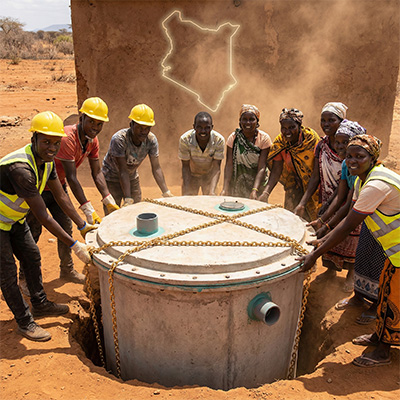
Capture and containment form the first critical step in the sanitation service chain. This stage covers the technologies and practices used to collect human waste at its source and safely store it until it can be transported or treated. Key components include flush toilets, pit latrines, septic tanks, biodigesters, and composting toilets.
Why This Matters
Safe containment prevents pathogens from entering the immediate environment, protecting households from waterborne diseases and ensuring dignity at the first point of contact.
Key Challenges
- High initial cost for advanced containment like biodigesters.
- Limited space in informal urban settlements for standard pit latrines.
- Need for periodic emptying which is often neglected or unaffordable.
Solutions & Innovations
- Promotion of container-based sanitation in crowded urban areas.
- Subsidized financing for standardized household septic tanks.
- Integration of smart sensors to monitor pit fill-levels.
Gallery